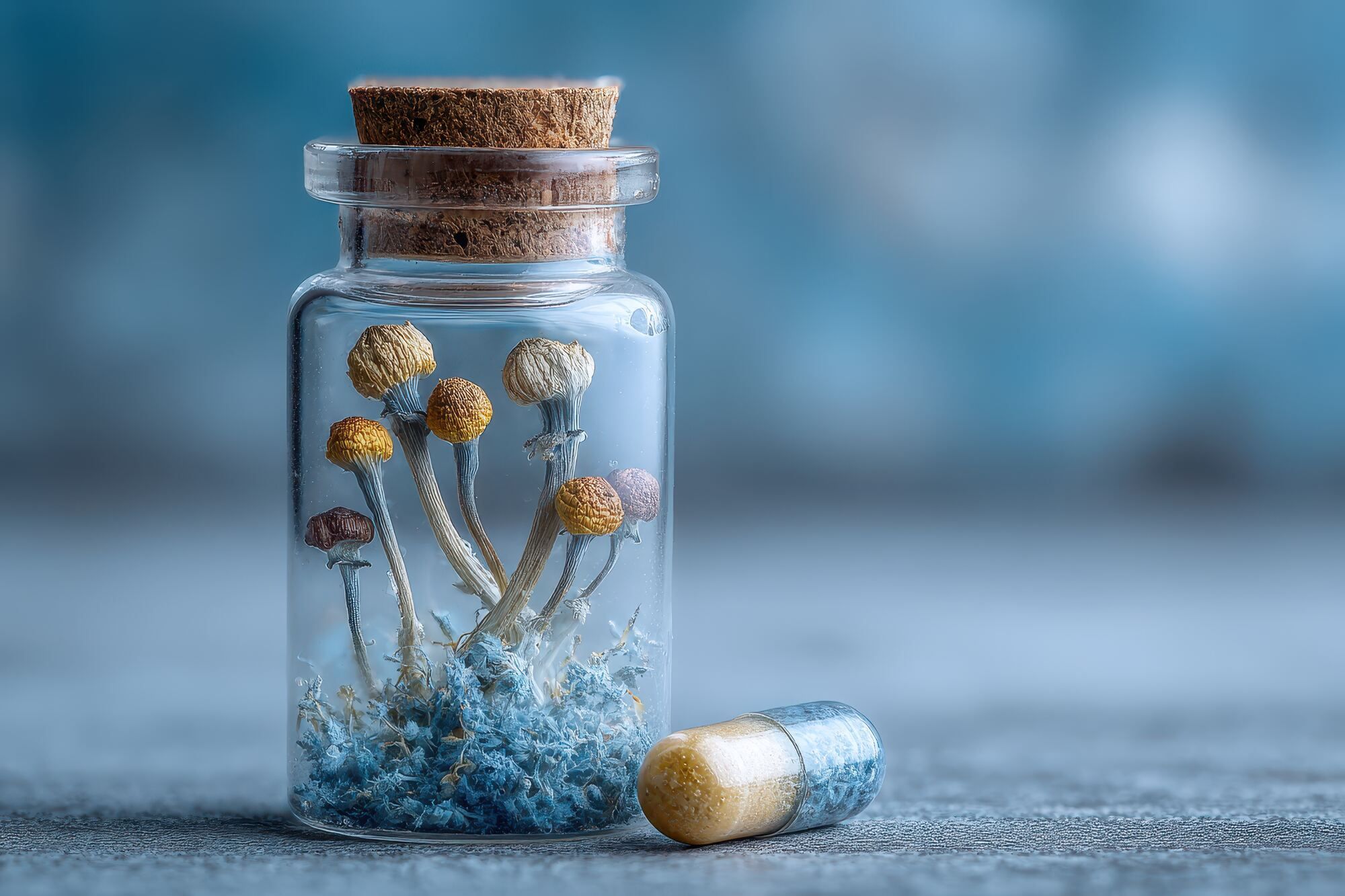
Genera of psilocybin-producing fungi
Psilocybin is produced across multiple genera of fungi — the result of convergent biochemical evolution. Each profile covers taxonomy, ecology, distribution, and the notable species in research and the field.
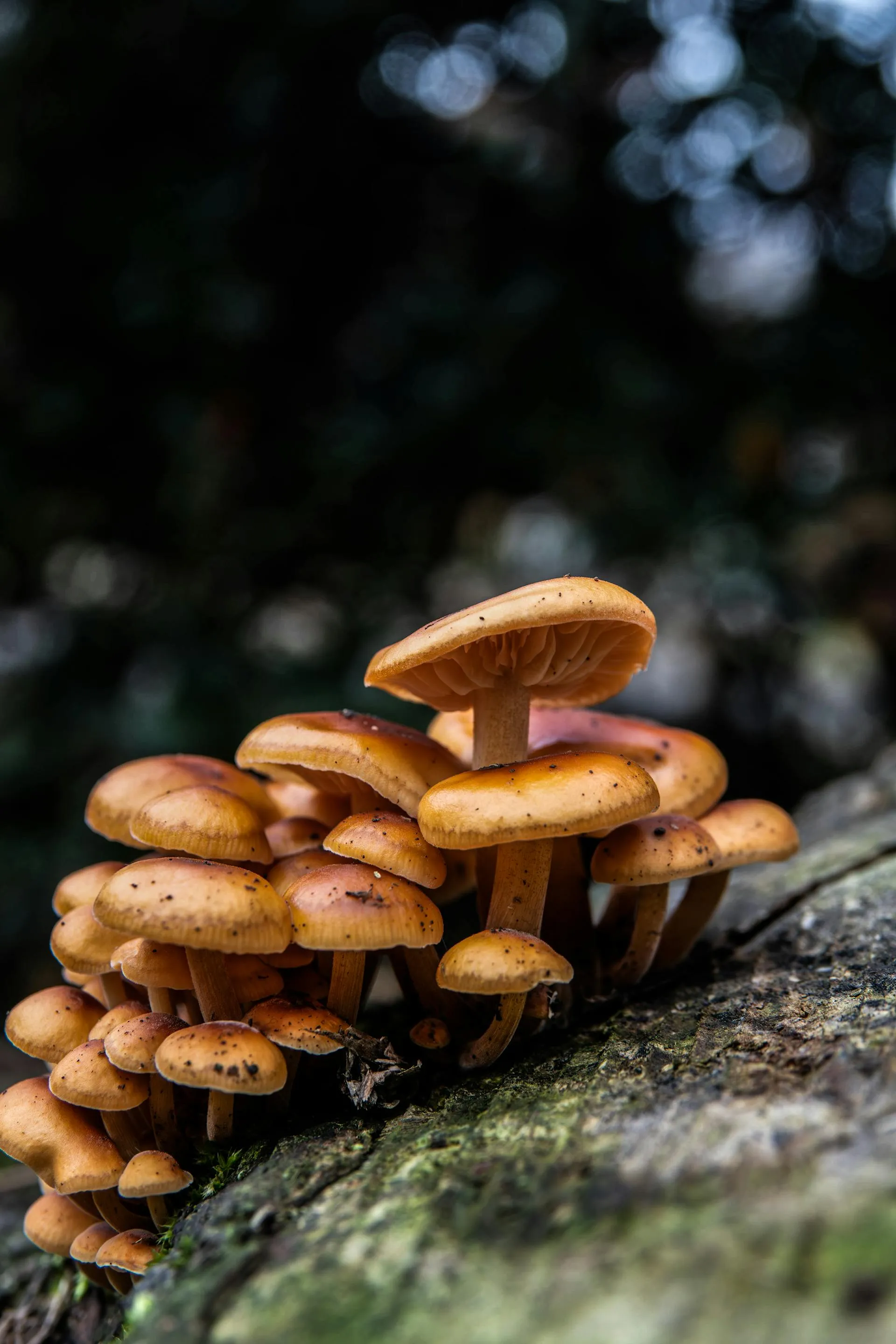
Gymnopilus
Gymnopilus P. Karst.
A genus of medium to large wood-decay mushrooms known as 'rustgills' for their distinctive rusty orange coloration. Several species produce psilocybin and related tryptamines.
Browse genus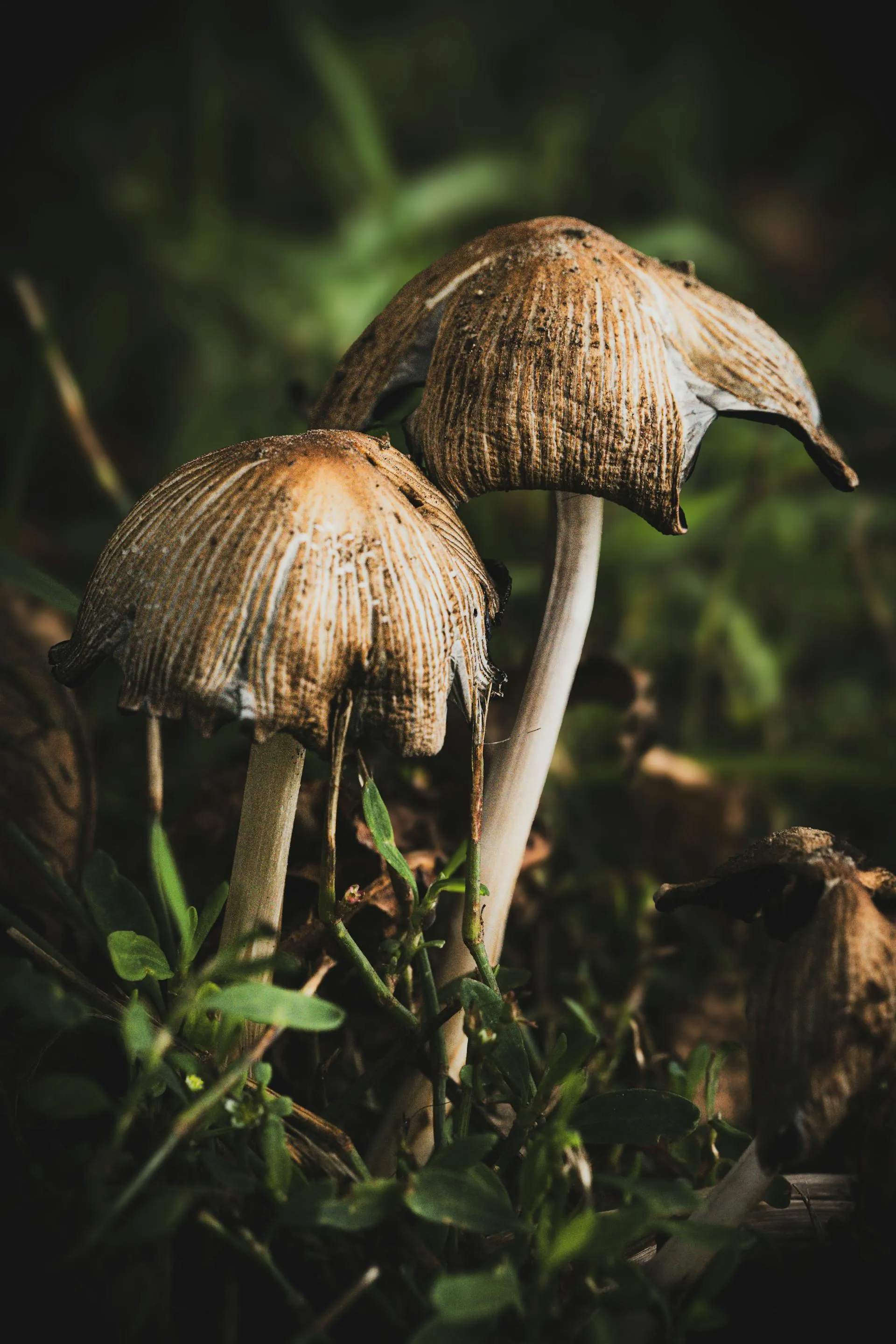
Panaeolus
Panaeolus (Fr.) Quél.
A coprophilic genus of small, dark-spored mushrooms. A minority of species produce significant levels of psilocybin and psilocin.
Browse genus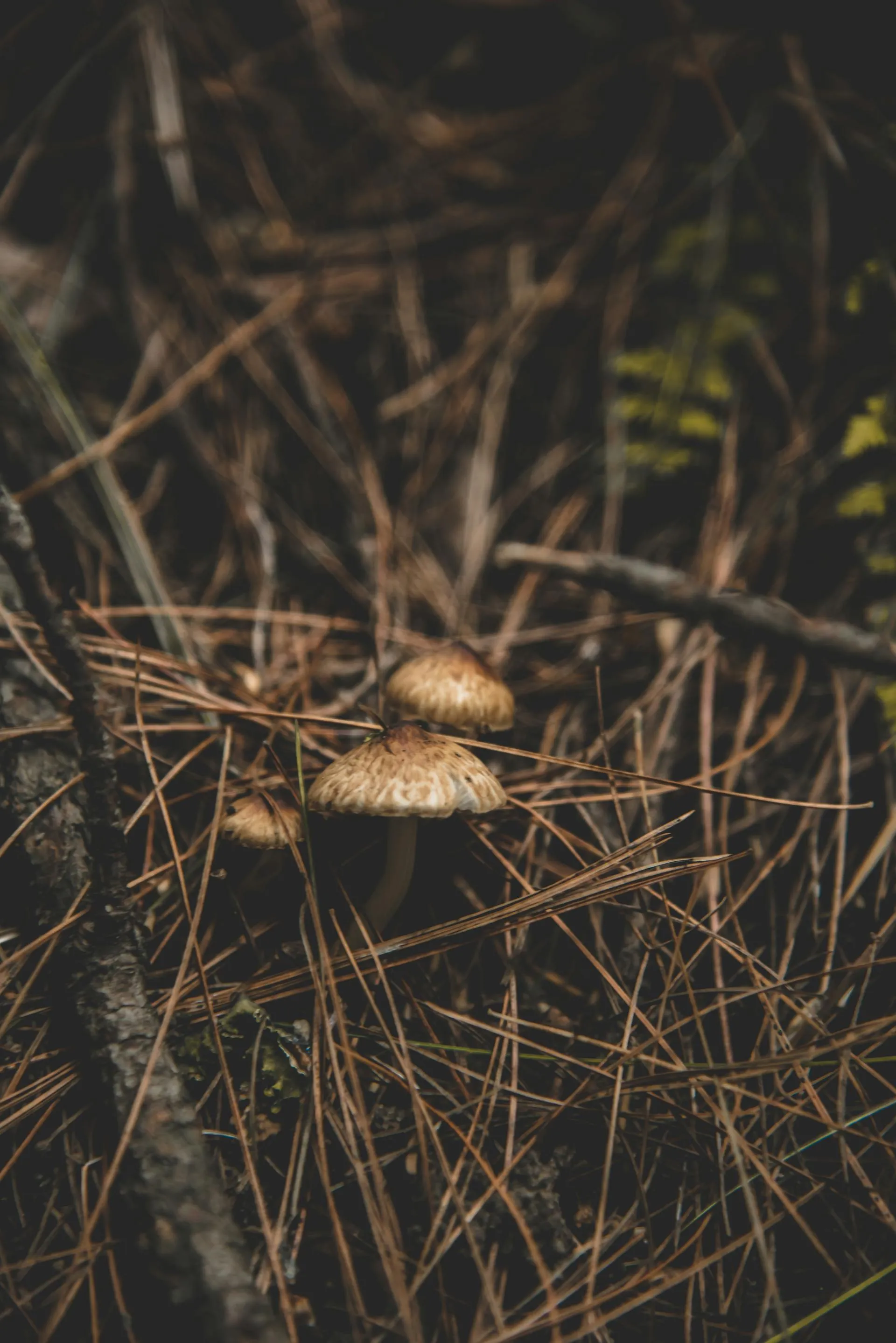
Pluteus
Pluteus Fr.
A large, diverse genus of wood-decay mushrooms with distinctive free gills and pink spore prints. A small subset of species produces psilocybin.
Browse genus
Psilocybe
Psilocybe (Fr.) P. Kumm.
The most studied genus of psilocybin-containing fungi. Includes the species most prominent in research, cultural history, and contemporary clinical trials.
Browse genusProfiles include visual characteristics, habitat, taxonomy, and notable species. We do not publish identification or foraging guides — wild mushroom identification carries real risks and is best learned with qualified mentorship.