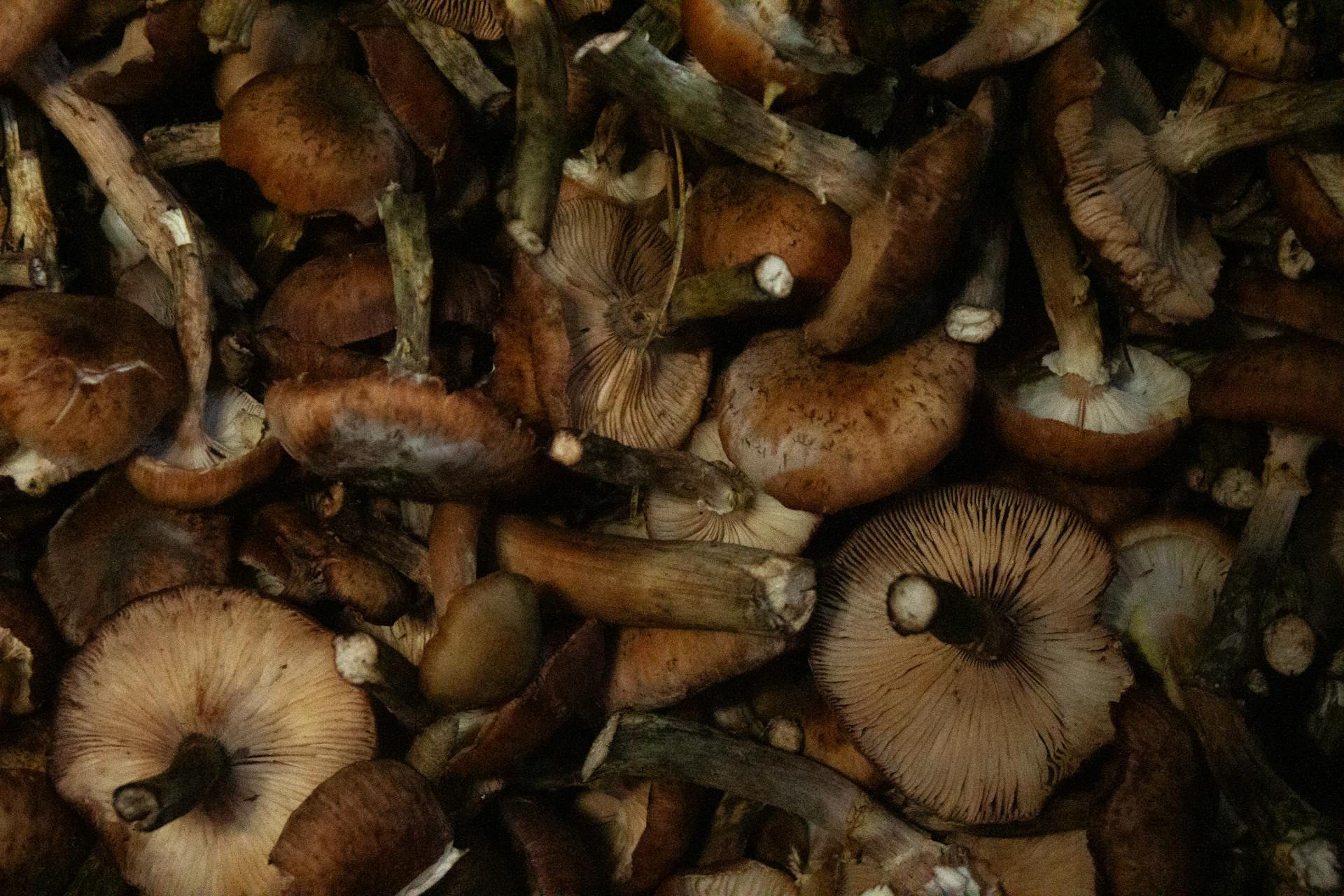
The Stoned Ape Hypothesis is an idea that Terence McKenna talked about in his book Food of the Gods. He said that a time ago humans ate psilocybin mushrooms and that helped our brains get bigger and smarter. This idea has been around for a while. People still talk about it. They share it at festivals and on podcasts. Sometimes they say it is the main reason we have big brains.
That is not true. This article is going to look at what the Stoned Ape Hypothesis says, what kind of proof we would need to believe it and why most scientists do not think it is a good idea. We are not trying to make fun of the idea or the people who like it. We just want to look at it and see if it is really true. It is easy to like an idea. We need to make sure it is based on facts.
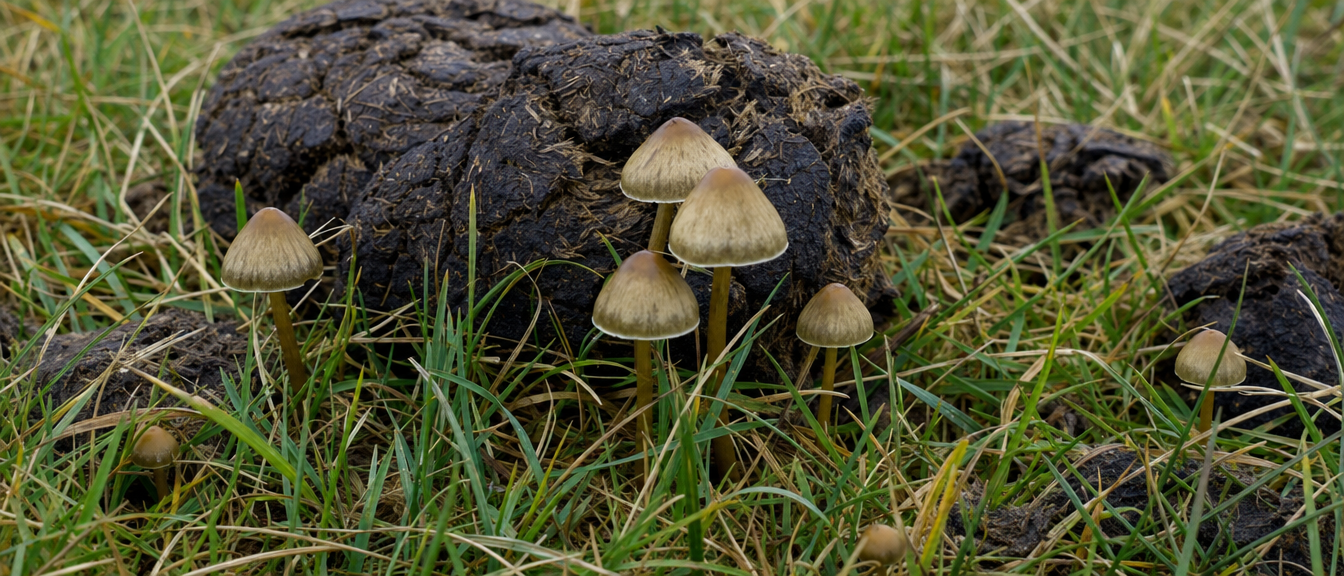
What McKenna actually said
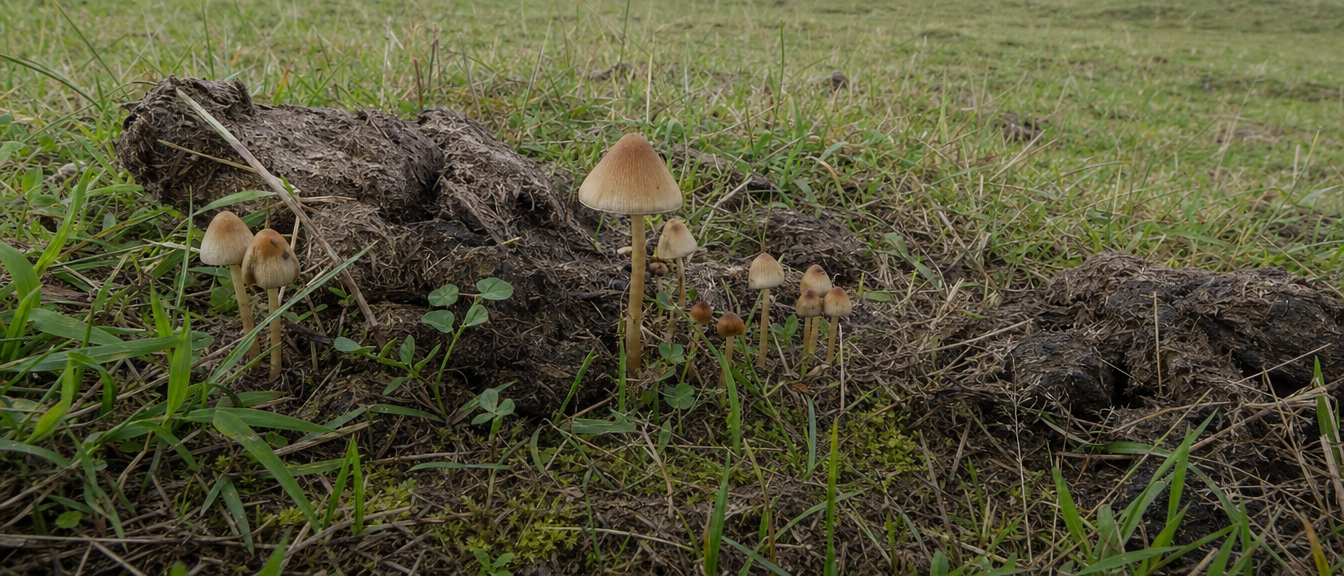
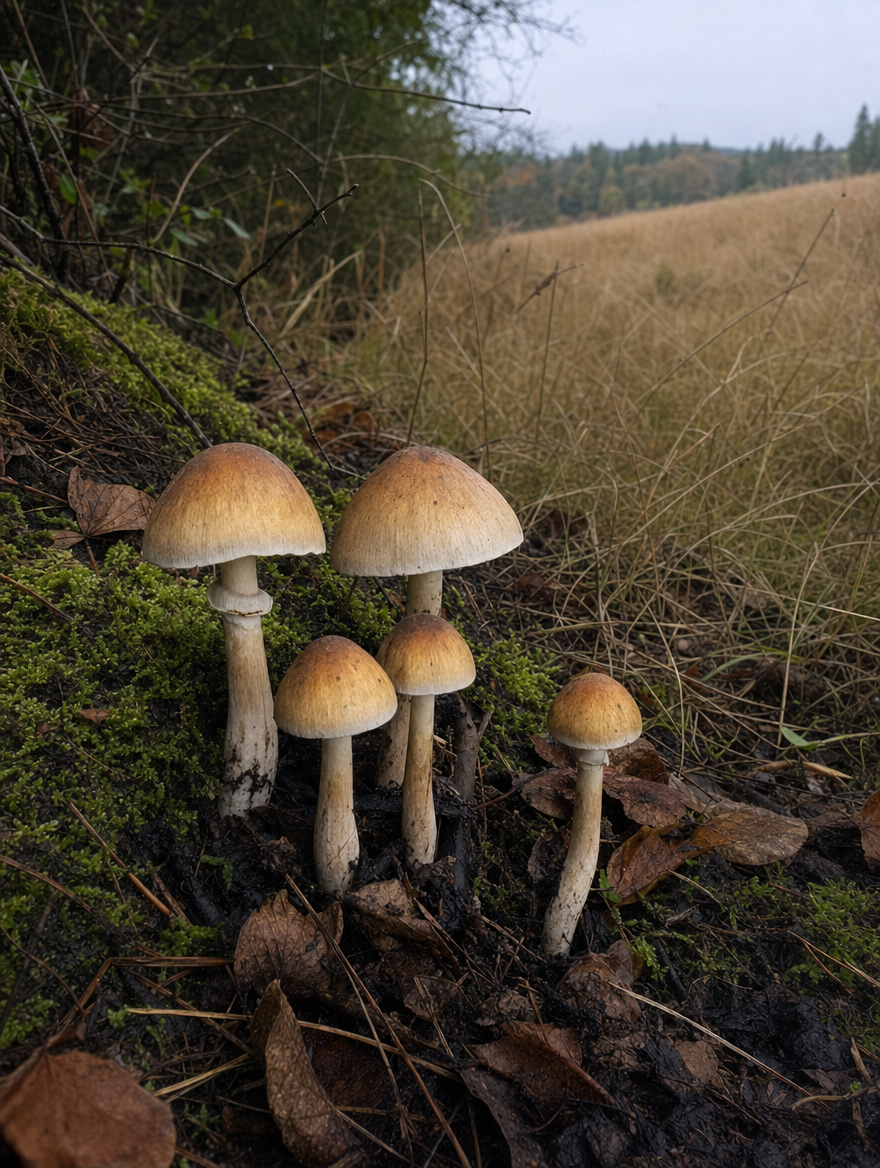
Terence McKenna told a story about what happened a time ago. He said that when humans first left the forest and went to live on the grasslands they found psilocybin mushrooms growing in the poop of animals. He said that if humans ate those mushrooms it would help them in a ways. If they ate a bit it would help them see better and that would make them better hunters and finders of food. If they ate a bit more it would make them want to have sex and that would help them have more babies.. If they ate a lot it would help them think about big things like religion and language.
McKenna said that eating those mushrooms helped humans get smarter and have brains. He said that it was not a little help but a big push that made our brains get bigger faster than they would have otherwise. It is a story but it might not be true. Just because a story is nice does not mean it is true.
It is good to know where this idea came from. McKenna was a man who read a lot and was good at putting ideas together. He wrote a book about how humans have used plants and fungi that can change our minds. The part about the Stoned Ape Hypothesis is a small part of that book. Because McKenna was a man and wrote a lot of good things people might think that this idea is true too.. We need to look at it carefully.
What the evidence actually shows
People like this idea because it puts psychedelics at the center of how humans became human. It gives us a reason for why our brains are so big and smart.. It connects the experiences people have when they take psychedelics to what happened a long time ago. All of that sounds good. The proof for this idea is very weak.
Lets look at what McKenna said about psilocybin helping people see better. He got that idea from some research in the 1960s.. Later research did not find the same thing. The original research was not very good. Was never repeated. So the idea that psilocybin helps people see better is not true.
The idea that psilocybin helps people have sex and have more babies is also not true. Even if it were true the thing that would get passed down to the generation is the desire to eat mushrooms, not the changes in the brain that the mushrooms might cause. It is like the idea is trying to trick us into thinking something that's not true.
The biggest problem with this idea is that it goes against what we know about how living things inherit traits. If someone takes psilocybin and it changes their brain that change will not be passed down to their kids. The change has to be written into the genes. That is not what happens when someone takes psilocybin. This is a problem with the idea and it is not just a small mistake.
Some people might say that epigenetics could help this idea. Epigenetics is the study of how things that happen to us can change the way our genes work.. Epigenetics does not help this idea because it does not allow for the changes caused by psilocybin to be passed down to the next generation.
What actual evidence would look like
If we wanted to prove that psilocybin helped humans get smarter we would need to find some evidence. First we would need to find proof that humans were eating psilocybin a time ago. We could look at teeth and see if they have any signs of psilocybin. We could also look at artifacts and see if they have any signs of mushrooms being used.. So far we have not found any evidence like that.
Second we would need to find a way that psilocybin could change the brain and have that change be passed down to the generation.. Like we said before that is not how it works. Epigenetics is a thing but it does not help this idea.
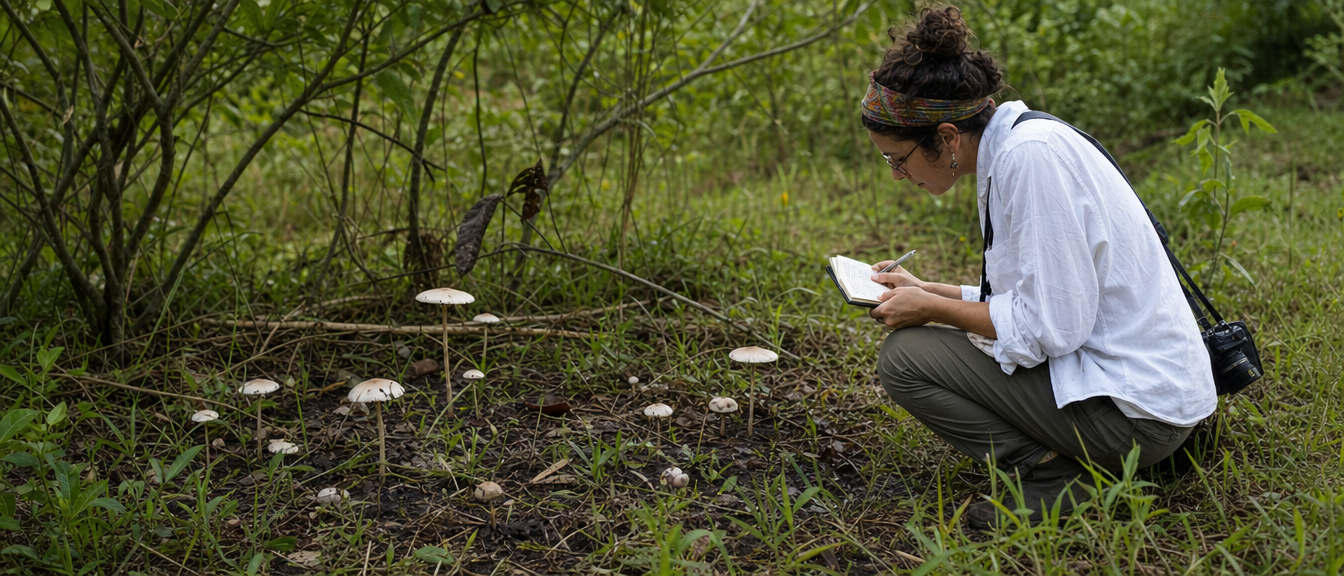
Third we would need to find a reason why humans got smarter and our closest relatives, like chimpanzees did not. If psilocybin was the reason then we would expect to see that chimpanzees did not have access to psilocybin.. That is not true. Chimpanzees and humans lived in the places and had access to the same mushrooms. So why did humans get smarter. Chimpanzees did not? The idea does not have an answer for that.
The heritable trait would be the urge to go find the mushroom, not the cognition the mushroom supposedly built. The hypothesis quietly swaps a behavior for a brain.
These demands are not too much to ask for. Any idea about how humans evolved should be able to answer these questions. Other ideas, like the one that says cooking food helped humans evolve have been. Have produced real results. The Stoned Ape Hypothesis has not produced results even after thirty years. An idea that makes people like it but does not produce results is not a good idea.
Why the hypothesis persists
It is a question to ask why people still believe in the Stoned Ape Hypothesis even though there is not much evidence to support it. The answer is interesting. Says something good about the people who believe in it.
Part of the reason is that the hypothesis is a story that combines many interesting things like the experience of taking psychedelic drugs what makes humans different and how humans evolved. This story is aesthetically pleasing. That is why people like it. Another reason is that the hypothesis comes from Terence McKenna, a writer who has written good things about psychedelic drugs. People respect him. That is why they believe in his hypothesis. The hypothesis also gives people who take drugs a sense of history and importance. Origin myths are powerful. Can make people believe in something even if it is not true.
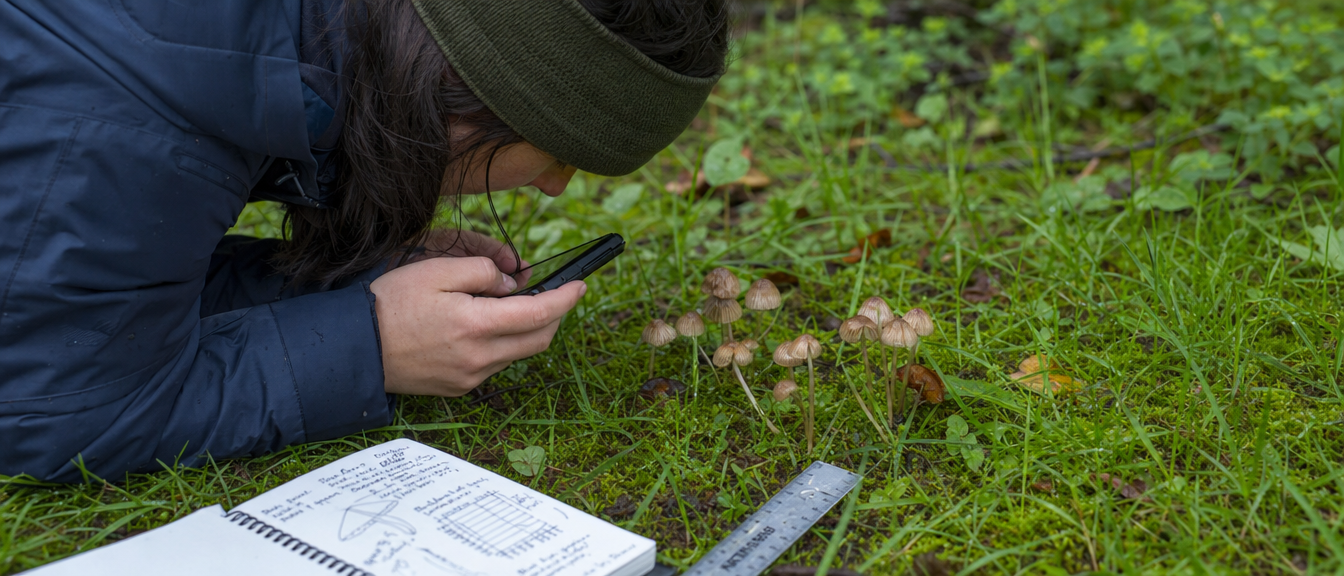
There is another reason why people believe in the hypothesis. For people who take drugs the experience is often dismissed by others as not important.. The Stoned Ape Hypothesis says that this experience is actually what made humans human in the first place. This is an idea and people do not want to give it up even if the science behind it is not good. The idea does work and that is why it is hard to let go of.
The way people usually hear about the hypothesis is also important. Terence McKenna was a speaker and when he talked about the hypothesis it sounded convincing.. When you read the same ideas in writing they do not sound as good. The hypothesis is often presented in a way that's convincing but the evidence behind it is not good.
The mainstream alternatives
The real story of how humans evolved is more complicated and not as interesting as the Stoned Ape Hypothesis. The story involves things, like changes in the climate what people ate, how people lived together and how people used tools. All these things together helped humans evolve. It is not a simple story.
There are theories that try to explain how humans evolved. The social brain hypothesis says that living in groups helped humans develop brains. The expensive tissue hypothesis says that eating food helped humans develop bigger brains. The cognitive niche framing says that using tools and language helped humans develop brains. These theories are not mutually exclusive. The real story probably involves a combination of all of them.
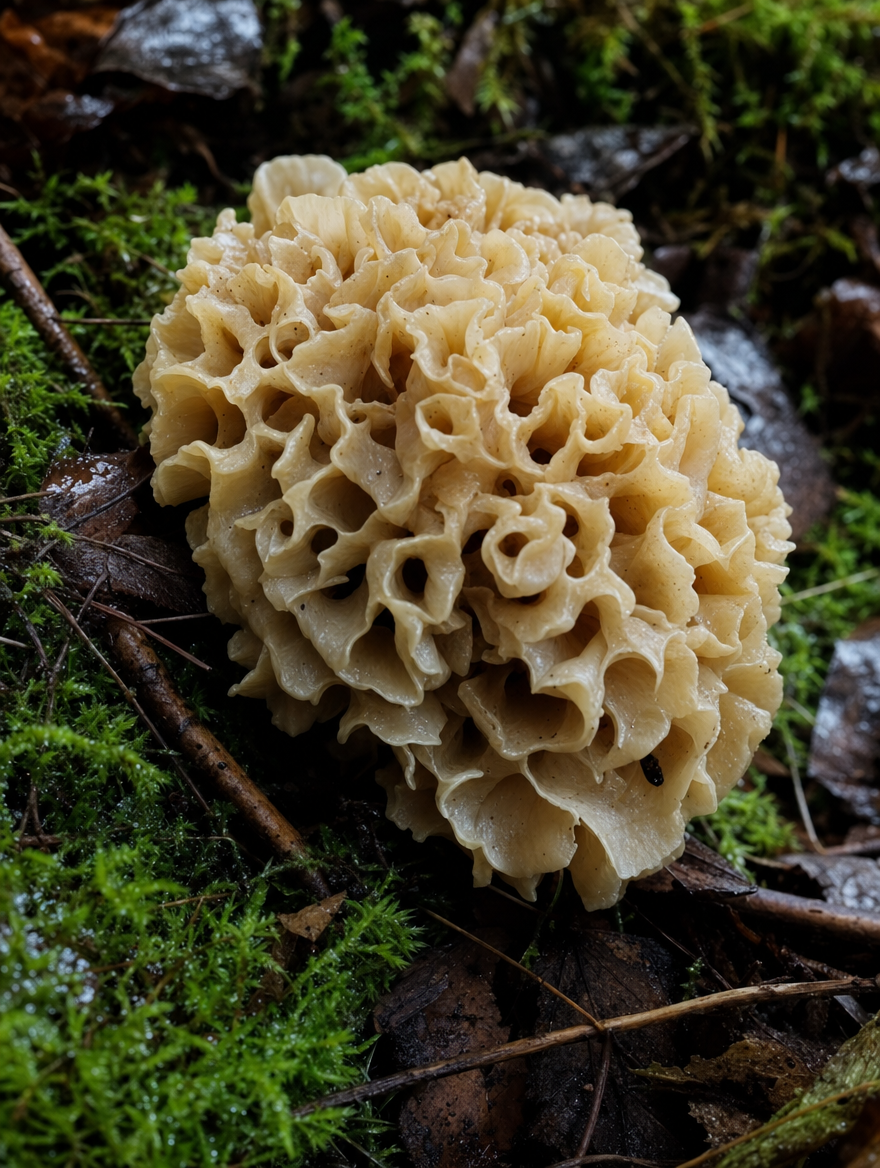
The funny thing is that none of these theories need the Stoned Ape Hypothesis to be true. The science can explain how humans evolved without needing the hypothesis. This is a problem for the hypothesis because it means that it is not necessary to explain how humans evolved.
It is worth saying that just because there is no evidence for the hypothesis it does not mean that it is not true.. The burden of proof is on the people who believe in the hypothesis to show that it is true. The hypothesis needs to make predictions survive tests and explain things that other theories cannot. The Stoned Ape Hypothesis has not done any of these things. That is why it is not accepted by scientists.
What the honest position is
So where does this leave us? The Stoned Ape Hypothesis is an idea but it is not supported by the evidence. As a speculation it has value but as a serious claim about human evolution it is not good. Both of these things are true at the time and we should be honest about it.
This does not mean that psilocybin is not important. It is a substance that is worth studying and taking seriously. It does not need to be the key to evolution to be important. We can like the question that Terence McKenna was asking what made us human without believing in his answer. That is the thing to do.
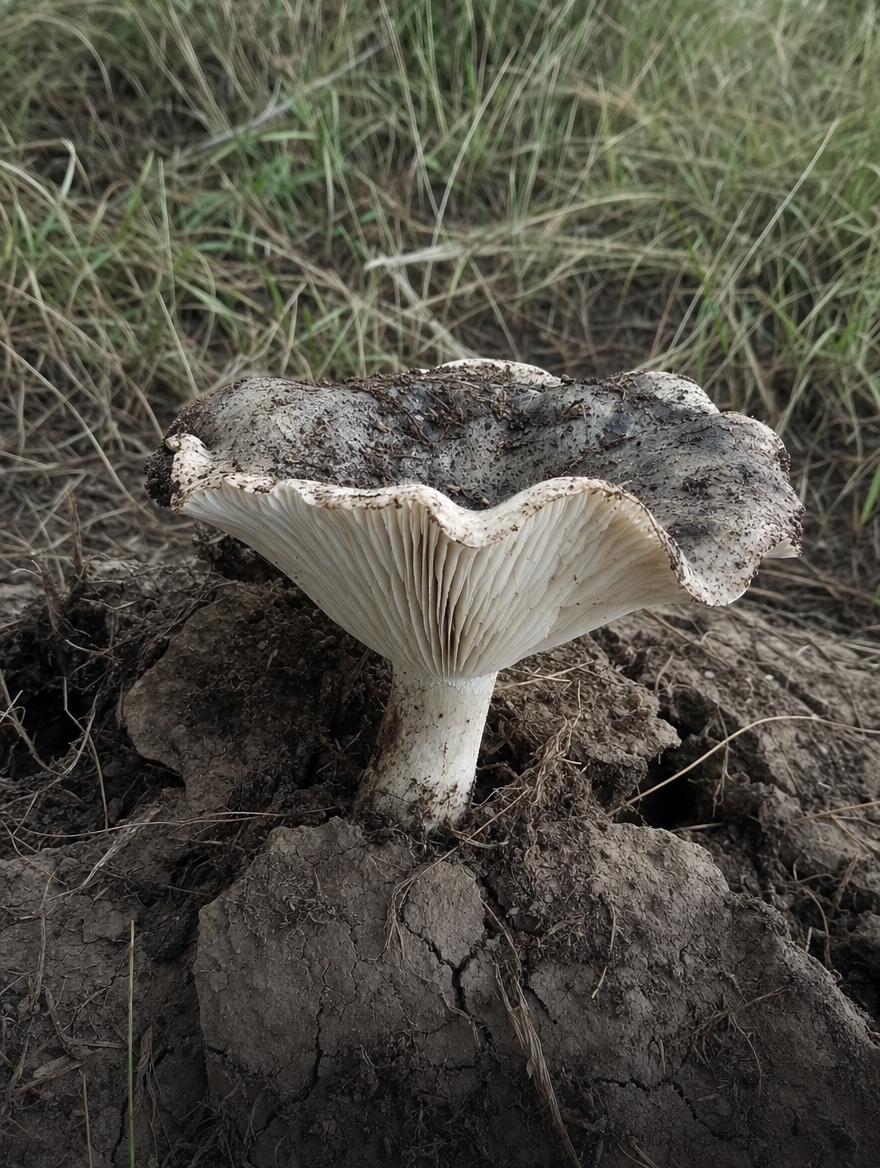
If we treat the hypothesis as fact it actually does a disservice to psilocybin. It attaches a substance that's interesting on its own to a claim that is not good. When the claim is questioned it can reflect badly on the substance. The honest position is to let psilocybin stand on its own as a substance with a rich pharmacology and a long history of use. It does not need a creation myth to be important.