The most talked about use of psilocybin is for depression, especially treatment-resistant depression. This is when people with depressive disorder do not get better even after trying at least two different kinds of antidepressants. Thirty percent of people with major depression have treatment-resistant depression. For these people there are not other options.
When the usual treatments do not work for a third of patients it makes sense to look for solutions. It is not about trying something new it is necessary.
This article looks at the research that has been done on psilocybin for depression. It focuses on what the research shows and what it does not show. It also talks about the problems with the research and what questions still need to be answered. The article does not tell people what treatments to use. Instead it helps people understand the research that has been done and what it means.
The rationale
There are three main reasons why people are interested in psilocybin for depression. These reasons are not proof that psilocybin works. They are reasons to study it.
The first reason is that the usual antidepressants have not been very effective for a time. The antidepressants that were introduced in the 1990s are still the commonly used but they do not work for many people. Newer treatments, like ketamine have shown promise. They also have problems. There is a need for new treatments, especially for people who have already tried other options and did not get better.
The second reason is that some people have reported that psilocybin has helped them with their depression. These reports are not proof but they are interesting. Psilocybin can cause people to have experiences that can last for a long time even after the drug has worn off. This is different from how usual antidepressants work. It suggests that psilocybin might be working in a different way.
The third reason comes from brain science. Psilocybin can change the way the brain works. This might help people with depression. Depression can make peoples brains get stuck in thought patterns and psilocybin might help break these patterns.
It is helpful to understand how psilocybin might work because it is not a matter of taking a pill to make the depression go away. The idea is that psilocybin can help peoples brains become more flexible so they can start to think in ways. This can help people get out of the thought patterns that are part of depression.
The trials
There have been several studies on psilocybin for depression. These studies are important. They also have limitations.
The Carhart-Harris 2016 study was a study that looked at psilocybin in twelve people with treatment-resistant depression. The people in the study had two sessions with psilocybin. They also had therapy to help them prepare for and process their experiences. The study found that the people in the study had improvements in their depression symptoms and these improvements lasted for several months. However the study was small. Did not have a control group so the results need to be interpreted with caution.
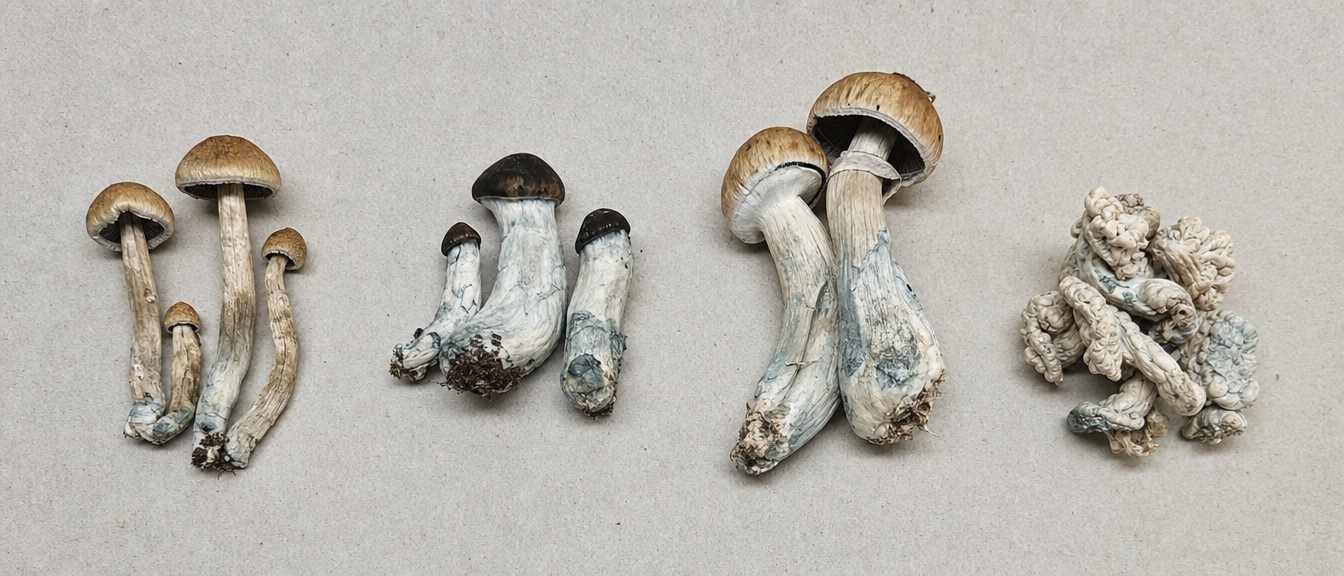
The Davis 2020 study was a study that looked at psilocybin-assisted therapy in twenty-seven people with major depressive disorder. The people in the study had two sessions with psilocybin. They also had therapy to help them prepare for and process their experiences. The study found that the people in the study had improvements in their depression symptoms and these improvements lasted for several months. However the study did not have a control group and the people in the study were not blinded to whether they were receiving psilocybin or a placebo.
The Goodwin 2022 trial was a study that looked at synthetic psilocybin in 233 people with treatment-resistant depression. The people in the study were divided into three groups. They received different doses of psilocybin. The study found that the people who received the dose of psilocybin had significant improvements in their depression symptoms but the improvements did not last as long as the researchers had hoped.
The Raison 2023 trial was a study that looked at psilocybin in 104 people with depressive disorder. The people in the study were divided into two groups. They received either psilocybin or a placebo. The study found that the people who received psilocybin had improvements in their depression symptoms but the improvements did not last as long as the researchers had hoped.
What the pattern of results suggests
The studies on psilocybin for depression have found some results. The effect sizes of psilocybin are large which means that it can have an impact on depression symptoms. The onset of action is quick which means that people can start to feel better after taking psilocybin. The duration of action is also long which means that the benefits of psilocybin can last for months.
The adverse events reported in the studies have been. Manageable. However the studies have also had some limitations, such as sample sizes and lack of control groups.
Where the methodological limits bite
The studies on psilocybin for depression have some limitations that need to be considered. The sample sizes have been small. The studies have not always had control groups. The people in the studies have been carefully selected, which means that the results may not apply to everyone.
The whole question is how much of the results can be trusted and how much is due to the limitations of the studies. This is a question because it can help us understand whether psilocybin is a promising treatment, for depression or if it is just a story that is not supported by the evidence.
The first problem with psilocybin is that people figure out if they are getting the thing or not. Psilocybin has an effect on people when it is used at clinical doses. This means that people in studies can tell if they are getting psilocybin or a placebo. This is a problem because it can make the results of the study look better than they really are. The people in the study are also rating their depression, which can be influenced by how much they want the treatment to work. So the results of the study might be because of the psilocybin. They might be because of how the people in the study are feeling about the treatment.
The second problem is that the people who sign up for these studies are not like everyone with depression. They are curious more open to new ideas and more motivated. This means that the results of the study might not apply to everyone with depression. We do not know if psilocybin would work for people who're not as motivated or open to new ideas.
The third problem is that psilocybin is not just being used on its own. It is being used as part of a treatment package that includes therapy and support. This means that we do not know if it is the psilocybin that is helping or if it is the therapy and support. The people doing the research think that this package is the way to use psilocybin but it makes it hard to know what is really working.

The fourth problem is that there have not been studies on psilocybin. The studies that have been done have been small. They have not been replicated enough. This means that we do not know if the results are real or if they are a coincidence. There is also a worry that some studies might not have been published because they did not get the results that the people doing the study wanted.
What the evidence shows and what it does not show
If we look carefully at the evidence we have far we can see that it supports a few things. It supports the idea that we should keep studying psilocybin. The results we have far are promising and they suggest that psilocybin might be helpful for some people with depression. It also supports the idea that we should be cautiously optimistic about psilocybin. Some people have had good results with psilocybin and it has worked quickly and lasted for a long time.
However the evidence does not support some things. It does not support the idea that we should start using psilocybin as a treatment for depression now. The studies have been too small. The people in them have been too selected. We do not know if psilocybin would work for everyone with depression. The evidence also does not support the idea that we should assume psilocybin will work outside of a research setting. The therapy and support that are part of the treatment package are important. We do not know if psilocybin would work without them.
The path to approval
Some companies are currently doing late-stage trials on psilocybin for depression. In the United States the Food and Drug Administration has given psilocybin a designation that means it can be fast-tracked for approval. If psilocybin is approved it will be available in licensed settings with trained providers and for people who have been carefully screened. It will not be available over-the-counter. It will not be legalized for general use.
It is worth thinking about how much psilocybin treatment will cost and who will be able to get it. The treatment will require trained providers. It will be expensive. It will not be something that can be mass-produced like a pill. This means that it might only be available to people who can afford to pay for it which would be a problem because the people who need it most might not be able to get it.
How to read studies
When new studies on psilocybin come out there are a few things to look for. Was the study. Controlled? How big was the sample? What was the main outcome that the study was looking for and how long did the study follow people? What were the results. Were they just an average or did they look at individual people? Were there any side effects? Who paid for the study. Who designed it?
These questions can help you understand the study better. They can help you figure out if the results are real or not. They do not automatically mean that the study is bad. They can help you put the results in context.
A realistic view
The realistic view of psilocybin for depression is that we have some evidence but it is not finished yet. We have studies going on that will help us understand more. We have good reason to take the question seriously without getting ahead of ourselves. Both of these things are important. If we forget one of them we will not have a good understanding of what is going on.
If you or someone you care about has treatment- depression you should talk to a doctor who knows about the research and has read the relevant literature. This article is not giving advice and it is not recommending any specific treatments. If you are just interested in the field you should hold the evidence as exciting. Not yet decided. The studies that will actually answer the question are going on now and reading their results carefully will be more helpful than treating any single study as the last word.