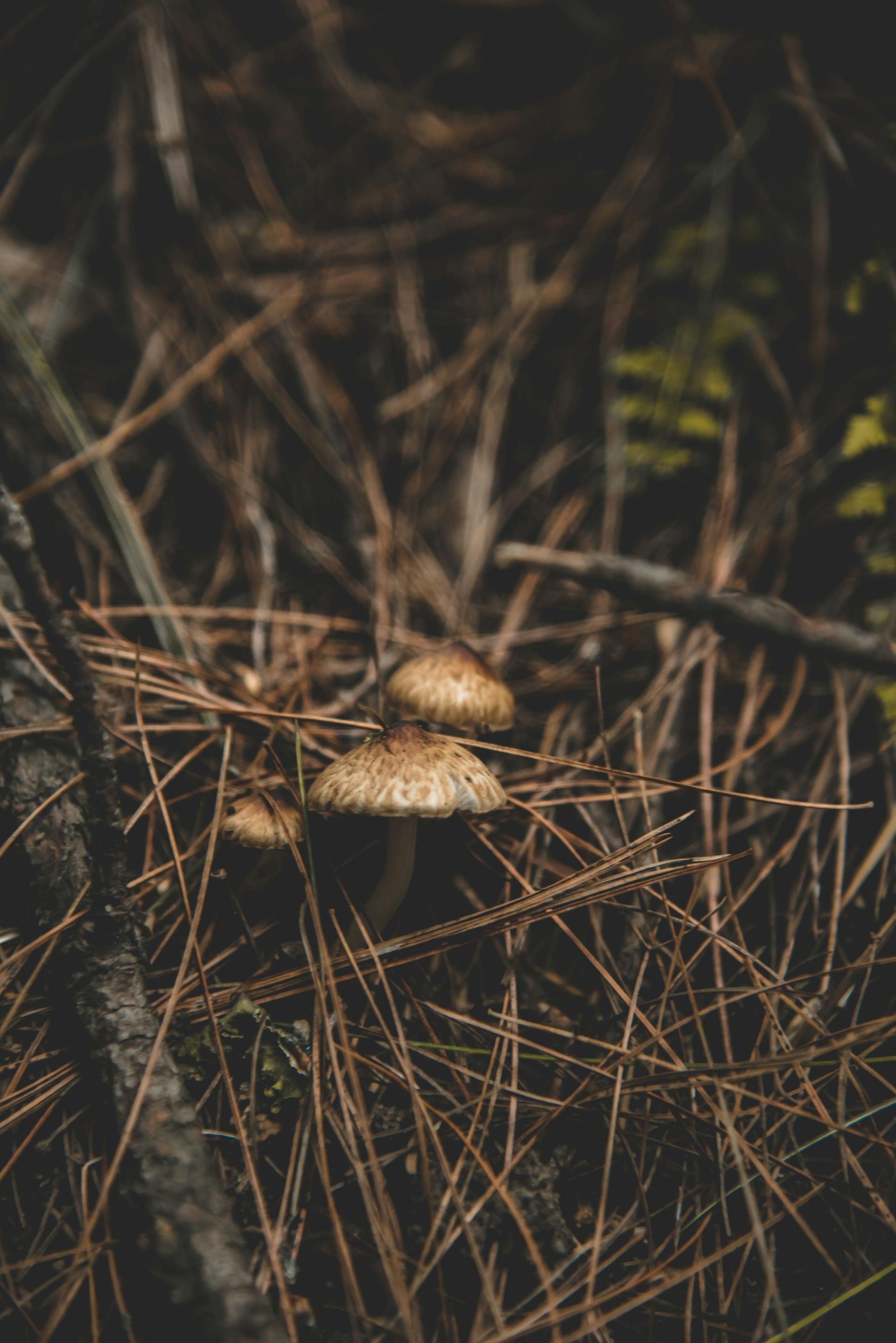
Every year, people are hospitalized and some people die from eating misidentified wild mushrooms. The causes are predictable: confidence based on superficial visual matching, reliance on identification apps that are not reliable for this purpose, and underestimation of how toxic some lookalikes actually are.
This article is not about how to forage. It is about why foraging requires substantially more knowledge than people often realize, what kinds of errors are most dangerous, and what responsible identification practice looks like.
The Stakes
Mushroom poisoning is not theoretical. The North American Mycological Association compiles annual reports of mushroom poisonings; the numbers run into hundreds of cases per year, with a small but consistent number of deaths. Globally, several thousand serious mushroom poisonings are reported annually, with the actual number probably substantially higher in regions with less complete reporting.
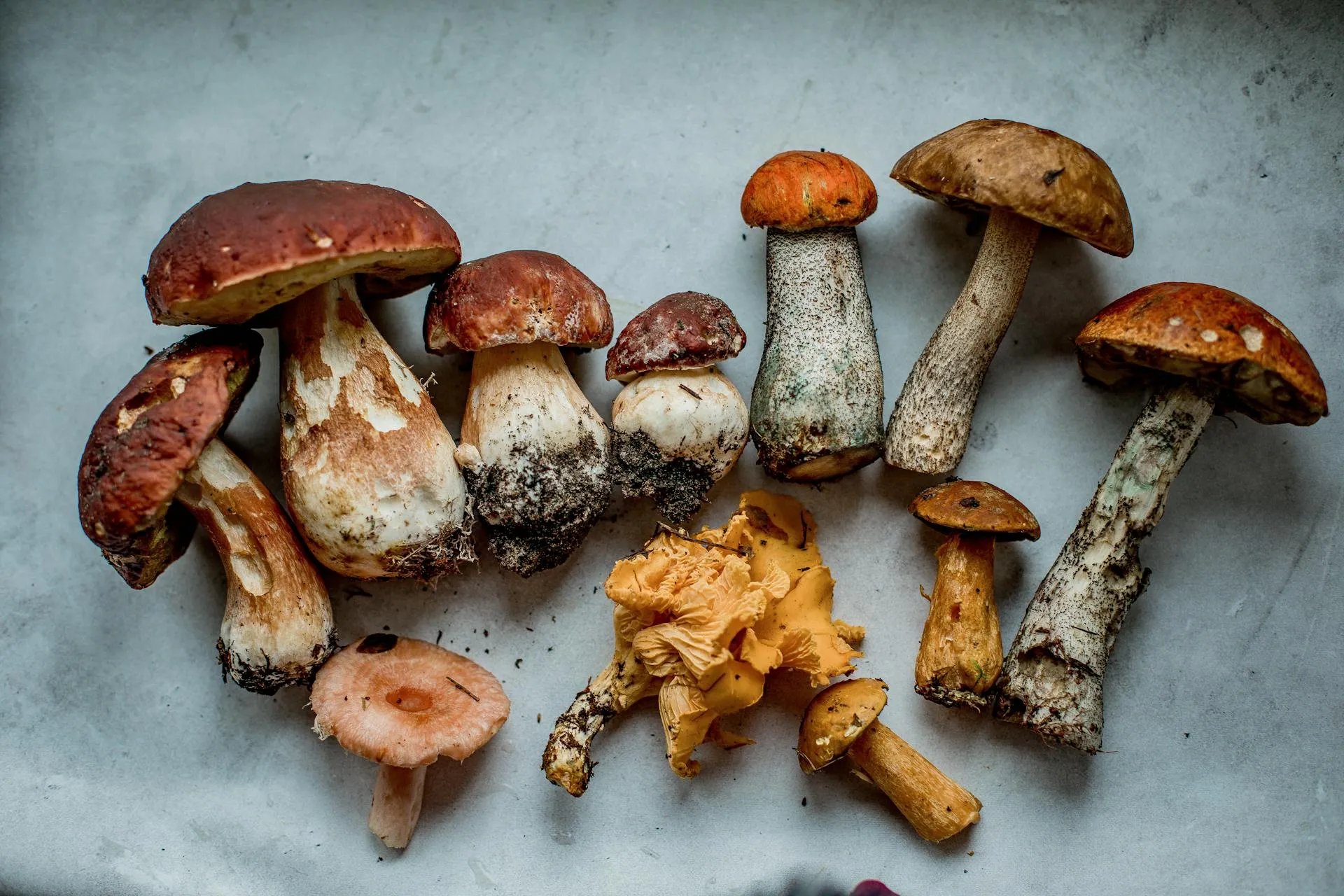
The deadliest poisonings come from a small number of species that contain amatoxins — compounds that destroy liver tissue. Amanita phalloides (the death cap), Amanita virosa and other “destroying angels,” and several Galerina species can kill an adult with material small enough to fit in a hand. The amatoxin syndrome is particularly dangerous because the initial symptoms — gastrointestinal distress hours after ingestion — typically resolve, leading the person to think they have recovered. The liver damage that follows over the next days is often irreversible by the time medical attention is sought.
The Lookalike Problem
The reason foraging is dangerous is not that toxic mushrooms look obviously different from edible ones. It is that several deadly species have close visual relatives that are choice edibles, and the differences require detailed knowledge to recognize reliably.
Some examples that have caused deaths:
The death cap (Amanita phalloides) bears a resemblance to several edible species in different regions, particularly to certain Volvariella species and the paddy straw mushroom (Volvariella volvacea) that is commonly eaten in parts of Asia. Immigrants to areas where death caps grow have been particularly affected, having learned to identify the safe species in their home regions and not knowing the deadly lookalike.
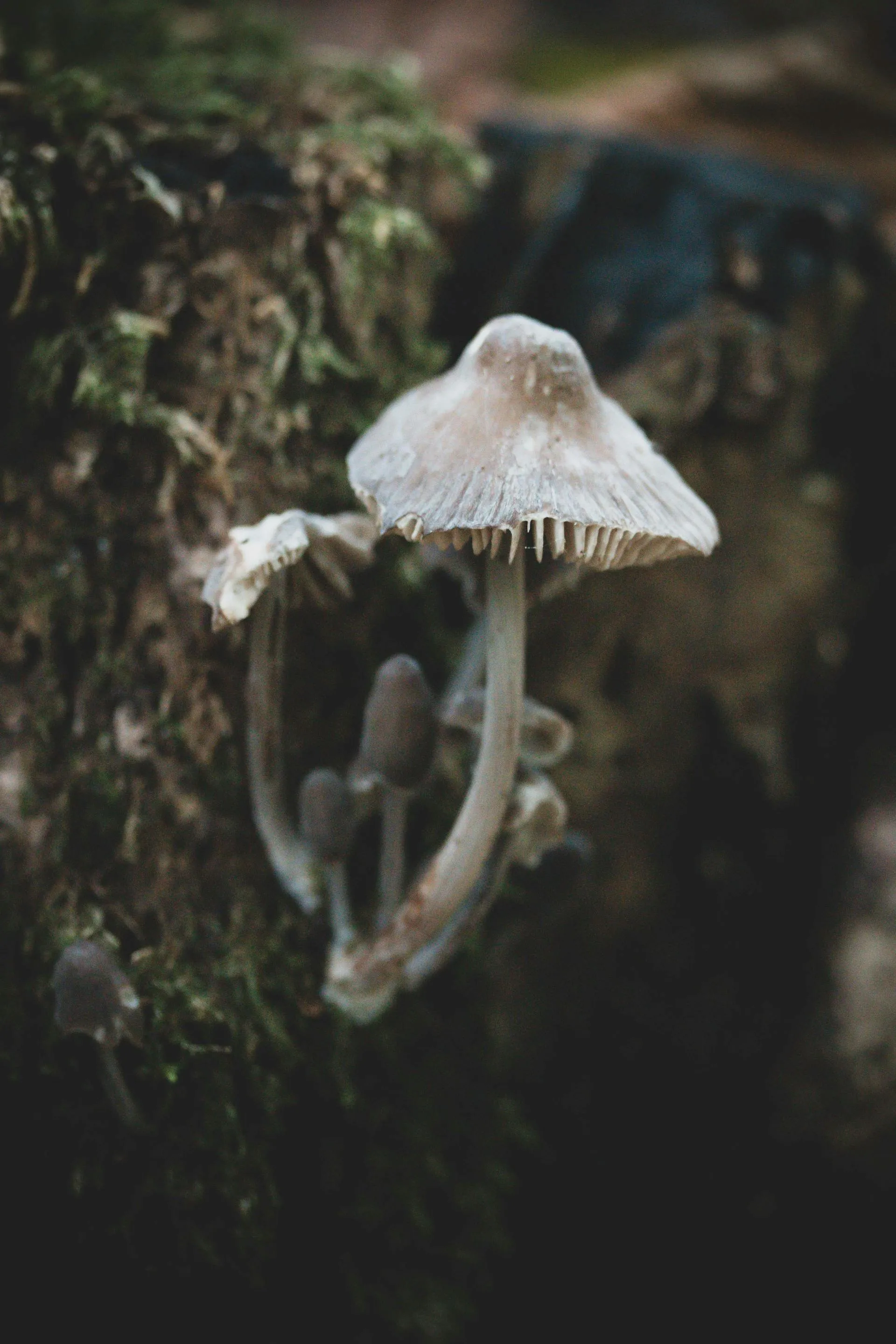
The deadly Galerina marginata grows on wood and bears a passing resemblance to several wood-loving edible species, including the popular Pholiota and certain Psilocybe species. People hunting for psilocybin mushrooms have been poisoned by Galerina; the symptoms are nearly identical to those of Amanita poisoning.
Several species of Cortinarius contain orellanine, a toxin that destroys kidney tissue. The symptoms can be delayed for days or weeks after ingestion, making the connection to the meal that contained the mushroom difficult to recognize. Some Cortinarius species closely resemble edible chanterelles.
Why Apps and Field Guides Are Not Enough
Smartphone apps that identify mushrooms from photos have improved substantially in recent years. They are useful for narrowing possibilities. They are not adequate for deciding whether a particular mushroom is safe to eat.
Several limitations are intrinsic to image-based identification. Mushroom appearance varies substantially with maturity, environmental conditions, and individual variation within a species. A photograph captures one angle, in one set of lighting conditions, of one specimen. The features that distinguish safe from deadly species are often subtle — the presence or absence of a particular ring on the stem, a specific spore color, a chemical reaction to a reagent — and may not be visible in a photograph at all.
App identifications are also probabilistic. The output is typically a list of possible matches with associated confidence scores. A 70% match for an edible species and a 25% match for a deadly one is not a basis for eating the mushroom, but the way the information is presented can mislead people about the actual reliability.
Field guides have similar limitations. A good field guide is invaluable as a learning resource and as part of a careful identification process. A field guide alone, used by someone without substantial mycological background, is not sufficient for safety.
What Responsible Identification Looks Like
People who forage safely treat identification as a multi-step process that takes time and that uses multiple convergent sources of evidence.
The starting point is knowing your local flora. Mycologists and serious foragers learn the species in their region — both the edible ones they want to find and, critically, the toxic species that look similar. This learning takes years and is often supported by participation in local mycological societies.
Identification of any specimen draws on multiple features: cap shape and color, gill attachment and color, stem structure, presence or absence of partial veil and ring, base structure (some deadly species have a distinctive cup-like volva at the base that is a critical identification feature), spore color from a spore print, habitat, and substrate.
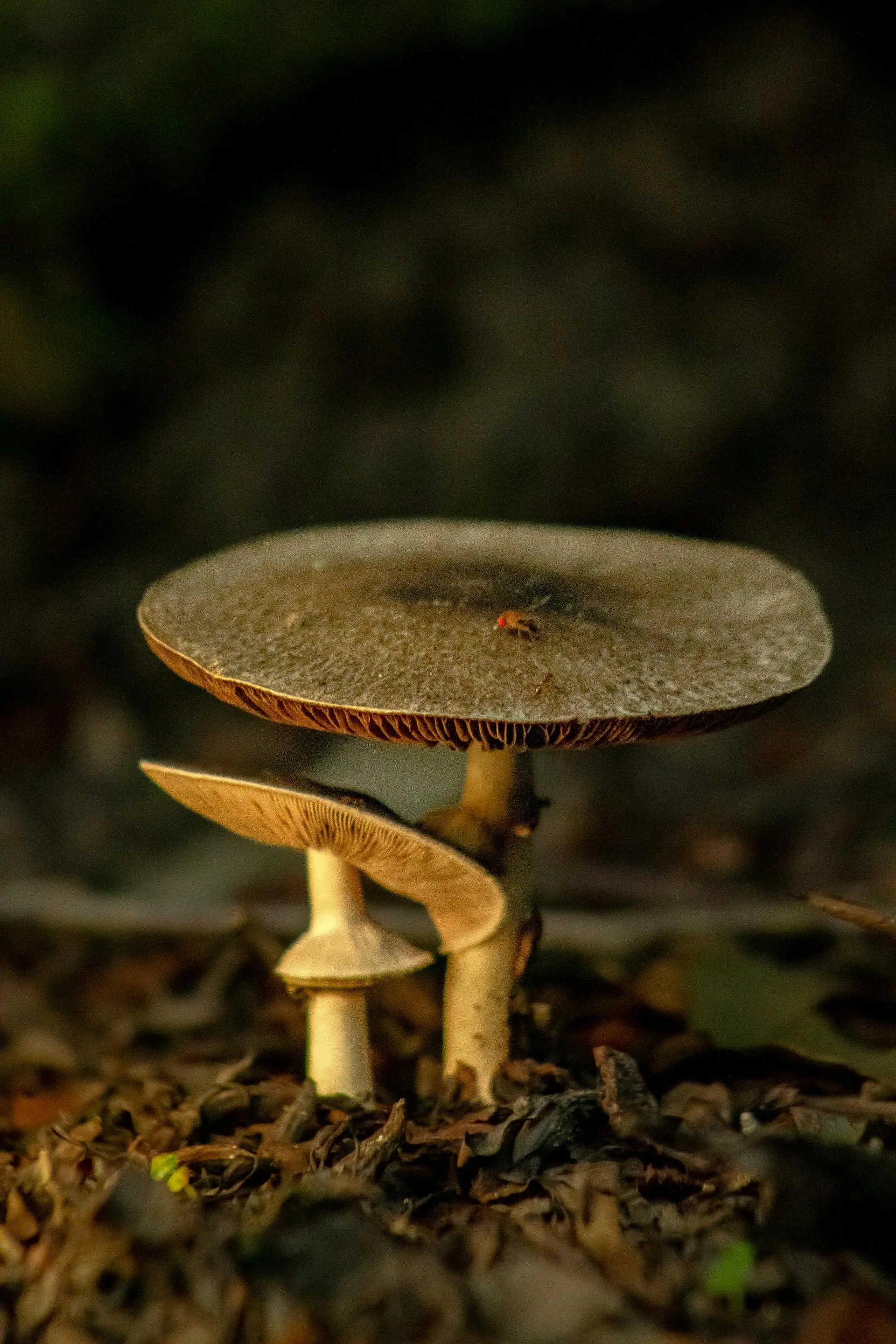
For any mushroom being considered for consumption, the identification needs to be made with confidence and to a level of specificity that excludes all toxic lookalikes. “I think this is a chanterelle” is not sufficient. “This is Cantharellus cibarius, identified by the false gills, decurrent attachment, fruity smell, and habitat under hardwoods, with no resemblance to Omphalotus species which would have true gills and grow in clusters on wood” is closer to what is needed.
When uncertainty exists, the safe response is to not eat the mushroom. Experienced foragers throw away a substantial fraction of what they collect because the identification is not certain enough.
Special Notes on Psilocybin Mushrooms
For people specifically interested in psilocybin mushrooms, the safety considerations are particular. Several genera contain psychoactive species, but the most commonly hunted Psilocybe species have potentially deadly lookalikes — most notably Galerina marginata, which can grow in similar habitats and superficially resembles some Psilocybe species in the field.
The “blue bruising” reaction often cited as identification of Psilocybe species is suggestive but is not exclusive to psychoactive species and does not rule out toxic ones. The presence of a particular feature is not a substitute for full identification.
People who consume wild psilocybin mushrooms based on incomplete identification are taking on risks that include the possibility of fatal poisoning, not just an unpleasant trip.
The Honest Position
Foraging for any wild mushroom for consumption requires a level of expertise that takes years to develop and that is not a substitute for ongoing caution. The activity is rewarding and accessible to anyone willing to invest in the learning, but it is not casual. The most useful guidance for anyone considering foraging is to seek out a local mycological society, attend forays, learn alongside experienced foragers, and accept that the path to safe foraging is slower than enthusiasm suggests.
For psilocybin mushrooms specifically, the risks of misidentification are particularly serious because of the Galerina lookalike. Anyone considering this should understand they are not just risking an unpleasant experience but, with the wrong specimen, their life.