The classic psychedelics — psilocybin, LSD, and the brew known as ayahuasca, among others — share enough mechanism that they are sometimes discussed as a single category. They also differ from each other in ways that matter substantially for the experience, the duration, the safety profile, and the contexts in which they are typically used.
This article compares the three most-discussed members of the family, focusing on what distinguishes them rather than what they share.
What They Have in Common
All three substances act primarily through agonism at the 5-HT2A serotonin receptor. The acute effects each produces — perceptual changes, altered cognition, emotional intensity, the kinds of experiences described as mystical or self-transcendent — emerge from broadly similar action on similar receptor systems.
The clinical research on all three has identified similar potential applications: depression, anxiety, end-of-life distress, addiction. The mechanism by which they appear to produce therapeutic change — opening a window of cognitive flexibility in which long-held patterns of thought can be revised — appears to be common across the class.
This shared mechanism is why all three produce cross-tolerance with each other. A person who has recently taken one will find the others weaker than usual.
Psilocybin: The Most-Studied
Psilocybin is the most extensively researched of the three in modern clinical trials. The Hopkins, NYU, Compass Pathways, and other major studies have used psilocybin specifically. The pharmacological profile is reasonably well-characterized: oral activity, onset within an hour, peak around 90 minutes, total duration of 4-6 hours.
The experience profile that participants typically report involves intense visual phenomena (often described as “organic” or earth-toned), strong emotional content, and a high probability of mystical-type experiences at sufficient doses. The cognitive changes tend to feel relatively grounded — many people report that they retain a sense of meaning and continuity with their ordinary self even at the peak.
The duration is convenient for clinical settings: a session can comfortably fit into a single workday. The post-session afterglow is typically less intense than with longer-acting substances.
LSD: The Long Wave
LSD differs from psilocybin in several ways that have practical significance.
The most obvious difference is duration. A typical LSD experience lasts 8-12 hours, with significant effects sometimes extending longer. This makes LSD substantially more demanding logistically — clinical sessions are difficult to schedule within a single day, and recreational sessions effectively occupy an entire 24-hour period when you account for preparation, the experience itself, and the come-down.
The pharmacological profile is also different in subtle ways. LSD has affinity for a broader range of receptors than psilocybin, including dopamine and adrenergic receptors. This contributes to a somewhat different subjective profile: the experience is often reported as more “energetic” or “buzzy,” with stronger physical activation. Visual phenomena under LSD are often described as more geometric and synthetic, contrasted with psilocybin’s more organic visuals.
Doses are measured in micrograms rather than milligrams, reflecting LSD’s substantially greater potency by weight. Active doses range from about 50 to 250 micrograms; quantities below ten micrograms are sometimes used for microdosing.
The clinical research base on LSD is smaller than on psilocybin, partly for historical reasons (the political backlash against LSD in the 1960s effectively halted research for decades). Recent trials have begun to rebuild this evidence base, with promising findings in areas similar to psilocybin’s clinical applications.
Ayahuasca: The Plant Brew
Ayahuasca differs from psilocybin and LSD in ways that go beyond pharmacology into cultural and ceremonial context.
The brew is a combination of two plants. Banisteriopsis caapi, a vine, contains beta-carboline compounds that act as monoamine oxidase inhibitors. Psychotria viridis, a shrub, contains DMT, a powerful but normally orally-inactive psychedelic. The combination is what makes ayahuasca work: the MAO inhibitors prevent DMT from being broken down in the gut, allowing it to be absorbed and reach the brain.
The experience profile is distinct. Onset begins within 30-60 minutes of drinking the brew. The peak typically lasts 2-3 hours. The total experience runs 4-6 hours — comparable to psilocybin in duration, but with a sharper peak.
The qualitative experience is often described as substantially different from psilocybin or LSD. Visual content tends to be more vivid and structured, with people often reporting elaborate visions that feel narrative or instructive rather than abstract. Emotional content is frequently intense and challenging — ayahuasca has a reputation for difficult experiences in ways that psilocybin and LSD typically do not.
Physical effects are more pronounced. Vomiting (the “purge”) is common and is treated as a significant part of the experience in traditional contexts. Diarrhea is also common. The physical demands of the experience are substantial in a way that psilocybin and LSD typically are not.
The cultural context for ayahuasca is also distinct. The brew is rooted in indigenous traditions of the Amazon basin, particularly among the Shipibo and several other peoples. Traditional ayahuasca use happens in ceremonial contexts with experienced ayahuasceros leading the session. The transposition of these practices into Western contexts — through retreats and through the religious traditions of Santo Daime and União do Vegetal — has been a substantial cultural development of the past several decades.
Practical Differences
The practical differences across the three substances are substantial enough to matter for anyone trying to understand why one might be preferred over another in different contexts.
For clinical research and therapy: psilocybin’s shorter duration, well-characterized pharmacology, and strong evidence base have made it the leading candidate. LSD trials are growing but lag behind. Ayahuasca research is more limited, partly for regulatory reasons and partly because the cultural context is harder to fit into standard clinical trial designs.
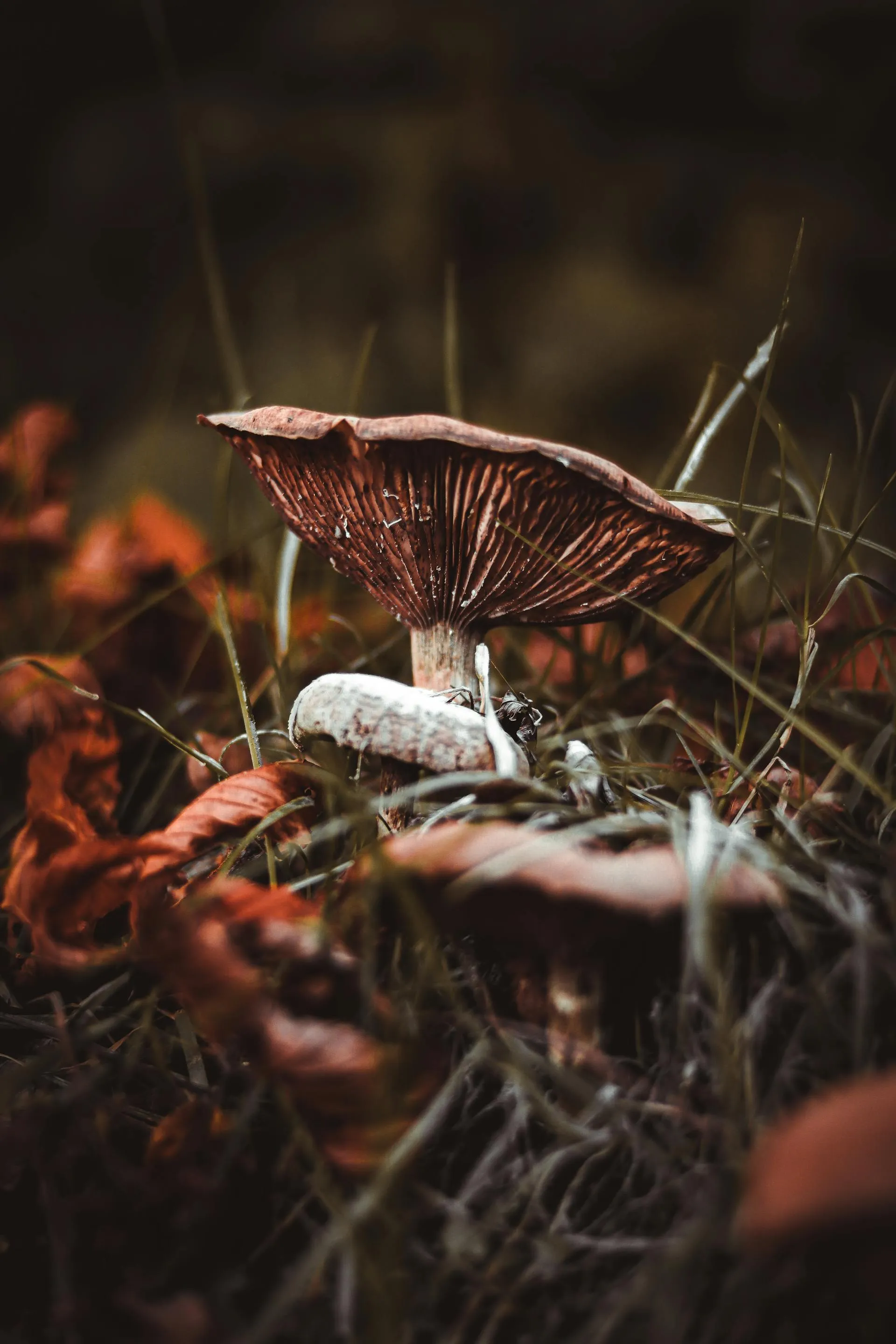
For recreational use: psilocybin’s accessibility (mushrooms can be cultivated, the substance is increasingly tolerated in some jurisdictions), shorter duration, and grounded experience profile have made it widely chosen. LSD is preferred by people who want longer experiences or who prefer the more energetic profile. Ayahuasca’s physical demands and cultural framing make it less commonly chosen for casual use.
For ceremonial or spiritual use: ayahuasca’s rooted tradition, the presence of established ceremonial structures, and the experience’s tendency toward content that feels meaningful in religious or spiritual terms have made it central in religious uses. Psilocybin’s connection to Mazatec ceremonial use is similarly significant. LSD lacks an established traditional ceremonial framework.
Safety Considerations Differ
The safety profiles of the three substances overlap but are not identical.
Psilocybin and LSD have low physiological toxicity. Lethal doses through pharmacological action alone are extremely high, well above any dose used recreationally or therapeutically. The main acute safety concerns are cardiovascular effects (modest), accidents during the experience, and psychological challenges during difficult experiences.
Ayahuasca has additional safety considerations. The MAO inhibitors in the brew interact dangerously with several common medications (SSRIs, certain other antidepressants, certain over-the-counter cold medications, certain foods). The interactions can be life-threatening. Anyone considering ayahuasca who is on any medication needs to verify that the combination is safe.
The psychological challenges across all three include the possibility of difficult experiences and, very rarely, the possibility of triggering or unmasking psychotic episodes in vulnerable individuals. The existing exclusion criteria in clinical trials — personal or family history of psychotic disorders, certain other psychiatric conditions — apply broadly across the class.
What These Comparisons Suggest
The classic psychedelics are not interchangeable. They share enough mechanism to belong to the same category and to be discussed together in many contexts. They also differ enough that the choice of which substance to use, or to study, has substantial practical consequences.
For most people new to the topic, psilocybin is the most useful starting point for understanding because it has the most robust research base and the shortest duration. LSD is useful as a comparison case for understanding what varies across the class. Ayahuasca is important to understand for the cultural and historical context, even for people who would not consider using it.
The honest description of the field is that the differences across these substances are starting to be properly characterized, but the comparative research is still developing. Where one substance has been studied thoroughly and another has not, the comparisons are necessarily uneven. The next decade of research will refine these distinctions substantially.